Urban Street Photography: Reading the City as a Stage
Photo Culture · 24 November 2026
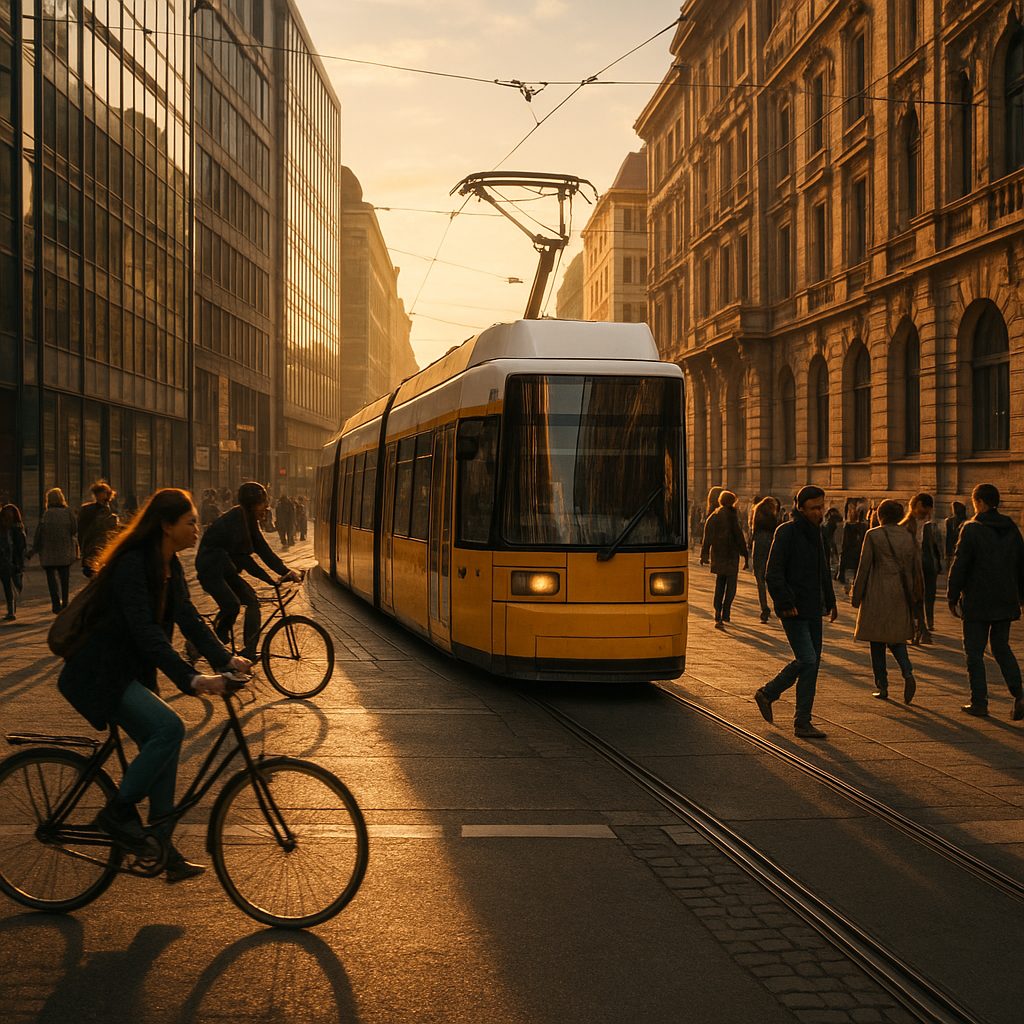
Street photography happens in streets, but urban street photography is about something larger: the city itself as a character. Architecture sets the stage, crowds supply the cast, and the daily rhythm of commute, lunch and closing time writes the schedule. The photographers who make strong urban work are not wandering randomly and hoping; they are reading the city — its light corridors, its gathering points, its moods by hour and by district — and positioning themselves where the city is about to perform. This guide is about learning that reading, district by district and hour by hour.
Architecture as backdrop and subject
Buildings in urban street photography are never neutral. A glass tower reflects the street back at itself, doubling scenes and splitting light into hard corridors; a brutalist underpass gives you gloom and a single lit exit; an old arcade frames pedestrians like a colonnade in a painting. Learn to scout architecture the way a portraitist scouts light: walk a district without shooting and note where the sun falls at different hours, which walls bounce warm light into the shade, where a gap between towers fires a shaft of sun across the pavement for twenty minutes each afternoon.
Then use scale. The city's most reliable visual drama is the small human against the huge built form — one figure crossing an empty plaza, a silhouette at the base of a wall of glass. These frames depend on patience: pick the geometry, frame it clean, and wait for the right-sized actor. The fishing method from our street photography tips was invented for exactly this. What looks like a lucky minimalist frame is almost always a photographer who scouted the wall at noon and returned for the evening crowd, already knowing the composition cold.
Height and season matter too. Tall cities create light corridors where sun reaches the pavement only along certain streets and only at certain hours; in winter the low sun slants between buildings for much of the day, while high summer light floods everywhere and flattens the drama. The observant urban photographer keeps this calendar as carefully as the commuter one.
The rhythm of the city
Every city keeps time, and the urban photographer works to its clock. The morning commute gives you dense, purposeful crowds moving in predictable streams — stations and bridges at eight o'clock are as reliable as sunrise. Midday empties the streets of everyone except tourists, delivery riders and the self-employed, a different and slower cast. The evening return is looser, more social, with better light. Late night belongs to another guide entirely — our piece on night street photography covers it.
Days differ as much as hours. The financial district that rages on Tuesday is a deserted film set on Sunday, which is precisely when its architecture becomes shootable without crowds. Markets peak on their own mornings; stadium districts belong to match days; the same square is a different location at each point in the week. Keep notes. A simple log of place, hour, day and what the street offered builds, within a season, into a personal shooting calendar no guidebook can sell you. Photographers who keep such logs stop saying "there was nothing to shoot" — the city has a schedule, and they finally hold a copy of it.
Districts and their characters
Each district of a city offers a distinct photographic temperament, and strong urban bodies of work usually know which one they are about. Business districts give geometry, suits, repetition and anonymity. Market districts give density, colour, gesture and tolerance — nobody in a working market has time to mind a camera. Old town centres give texture and tourists in equal measure. Waterfronts and edges give space, weather and the city's exhale. Residential streets, the most overlooked, give the truest picture of how a city actually lives — and the fewest competing photographers.
Transitional zones — where one district bleeds into another, where wealth shifts across a single street, where industry meets housing — are often the richest ground of all, because contrast is where cities reveal themselves. Photographers drawn to graphic form and hard shadow will find these districts especially rewarding in monochrome; our guide to black and white street photography shows why urban geometry so often survives the loss of colour.
Working a city systematically
Random walking produces random pictures. Systematic coverage produces projects. Divide your city into territories small enough to know intimately — ten streets, one market, a single station and its surroundings — and work one territory repeatedly until it stops surprising you, which takes far longer than you expect. Depth beats coverage: the fiftieth visit to the same corner yields frames the first five visits could not, because you finally know where the light goes at 4:40 in October and which doorway the wind funnels people past. Familiarity also changes how the street treats you — regulars stop noticing the regular with the camera, and the candid life of a place resumes around your presence.
Travelling to a new city inverts the method: you cannot know it, so compress. Ride a transit line end to end on the first day, walk the centre on the second, and spend the remaining days returning to the two or three places that pulled at you. Resist the tourist's urge to sample everything; a visitor who works three corners seriously goes home with a body of work, while the one who saw the whole city goes home with snapshots. The craft underneath all of it — settings, positioning, nerve — is the same as anywhere; our field guide carries it, and when the project matures, the festival and exhibition world described in our photography exhibition guide is where urban work finds its audience.
Field note. Security staff in business districts often believe photography of buildings is restricted; on genuinely public streets it usually is not. Know your local rules, stay polite, and carry yourself like someone with nothing to hide — because you have not.