Street Photography Portraits: Photographing Strangers with Consent
Photo Culture · 2 November 2026
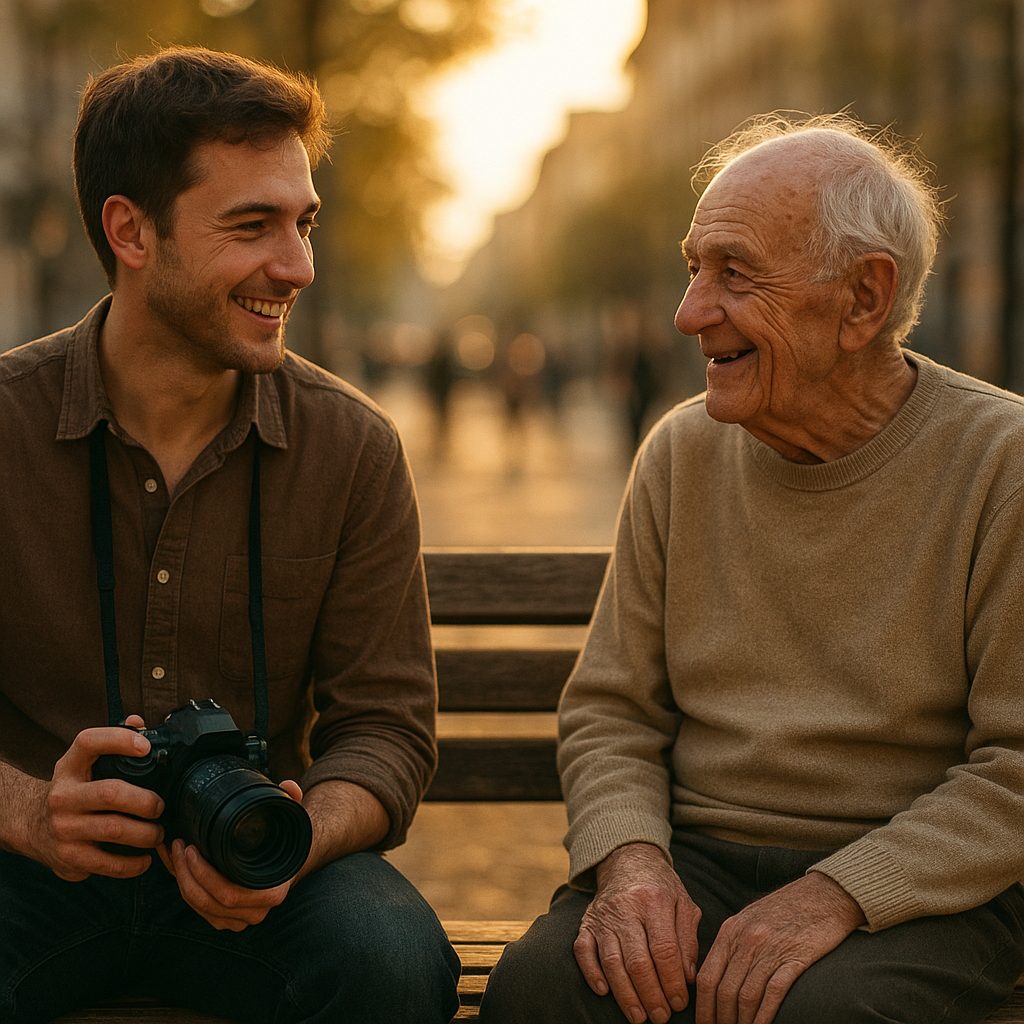
There is a moment every street photographer reaches when observation is not enough — a face stops you, and the only honest photograph is a portrait. Street photography portraits sit between documentary and studio work: real people, real streets, but a deliberate exchange between photographer and subject. Done well, they are the most human pictures the genre produces. Done clumsily, they are awkward for everyone. The difference is mostly preparation: knowing what to say, how to compose fast, and how to handle consent like a professional. This is the working method.
Candid or approached: know which picture you are making
A candid portrait is taken from within the flow of the street, unposed and often unnoticed — a face in a crowd, a worker at a stall. An approached portrait begins with a conversation and consent. Both are legitimate; confusing them is where trouble starts. If you are close enough that the person is the clear subject and they will likely notice the camera, the honest choice is usually to ask. If they are one element in a public scene, candid methods apply. Our separate guide to street photography ethics maps that boundary in detail.
Many experienced photographers combine the two: they photograph the scene candidly, then approach the person who made it interesting, show the frame, and ask for a proper portrait. The candid shot breaks the ice; the approached portrait is often stronger because the stranger has already seen your intent and relaxed.
The approach: thirty seconds that decide everything
Approach openly, camera visible, from the front — never from behind a stranger's shoulder. Smile first, speak second, camera third. The script that works is short and specific: "Sorry to interrupt — I photograph interesting people on this street, and you have a fantastic face. May I take your portrait? It takes one minute." Specificity disarms: you are not a creep with a camera, you are a person with a project, and a minute is a price almost anyone can weigh.
Expect a yes about half the time in friendly districts, less in suspicious ones, and treat every no as final and fine. A cheerful "no problem, have a good day" costs nothing and keeps the street friendly for the next photographer. People who hesitate are often worried about where the picture goes; carry a card or have a one-line answer about your work. Some photographers offer to send the portrait by email — a small promise that converts many hesitations and, kept reliably, builds a reputation you can feel over months on the same streets.
One more refinement separates professionals from beggars-with-cameras: photograph people doing something, not just standing. The ticket inspector, the violin maker, the woman selling flowers — a person at their occupation relaxes into the frame, and the portrait gains a story a blank stare never carries.
Composition in ninety seconds
You have asked, they have said yes, and now the clock is ticking — patience evaporates fast, so decide everything before you raise the camera. Background first: move your subject two steps to put a clean wall, a doorway or open street behind them, because a cluttered background is the one flaw no expression can rescue. Light second: open shade or a wall bounced by sun beats direct noon light, and a shop awning at midday is a portrait studio the city provides free.
Lens and distance third. A normal to short-telephoto view — roughly 35mm to 85mm full-frame equivalent — flatters faces and keeps you at a conversational distance. Get close enough that the face carries the frame; the beginner's error is backing away out of nerves and producing a full-length figure against a parking lot. Then talk while you shoot. Ask them about their day, their work, the street. The first frames are always stiff; the good one arrives around frame eight, when they forget to perform. Shoot a few, show them the best on the back of the camera — showing the frame is both courtesy and collaboration — and stop before they want you to. Leaving them wanting more is how the street remembers you kindly.
Consent, releases and the legal basics
Rules vary by country, so learn yours before you need them. Broadly, in most of the English-speaking world you may photograph people in public without permission, but publishing a recognisable portrait — especially commercially — is a separate question. For editorial, artistic and personal-project use, verbal consent and goodwill are usually enough; for advertising or stock, you need a signed model release. When in doubt, ask, note their name and contact, and honour any withdrawal later. None of this is bureaucracy for its own sake — it is what lets you publish your best portraits without a knot in your stomach. If a portrait is strong enough to print or exhibit, it is strong enough to deserve clean consent, the same standard you would want applied to a picture of you.
Building a portrait practice
Treat approached portraits as a skill trained like any other: one ask per outing at first, then three, then a standing project — "workers of the market", "people on my street". Projects give the approach a story, and a story gets yeses. Keep the territories small and familiar: the streets you already walk are where strangers are most likely to recognise you next time, and recognition turns first refusals into second-chance portraits. When the series reaches twenty strong frames, show it: a critique group, a photography workshop, or a festival portfolio review. Street portraits grow fastest under other eyes, and the strangers who taught you to see them deserve an audience. The practical habits from our street photography tips — calm body language, honest intent — are the foundation everything here stands on.
Field note. Carry a small notebook for names and emails the moment someone agrees. A portrait you cannot send or properly credit is a debt; photographers who keep their small promises get welcomed back to the same streets.