Photography Portfolio Review: How to Prepare and What to Expect
Photo Culture · 15 November 2026
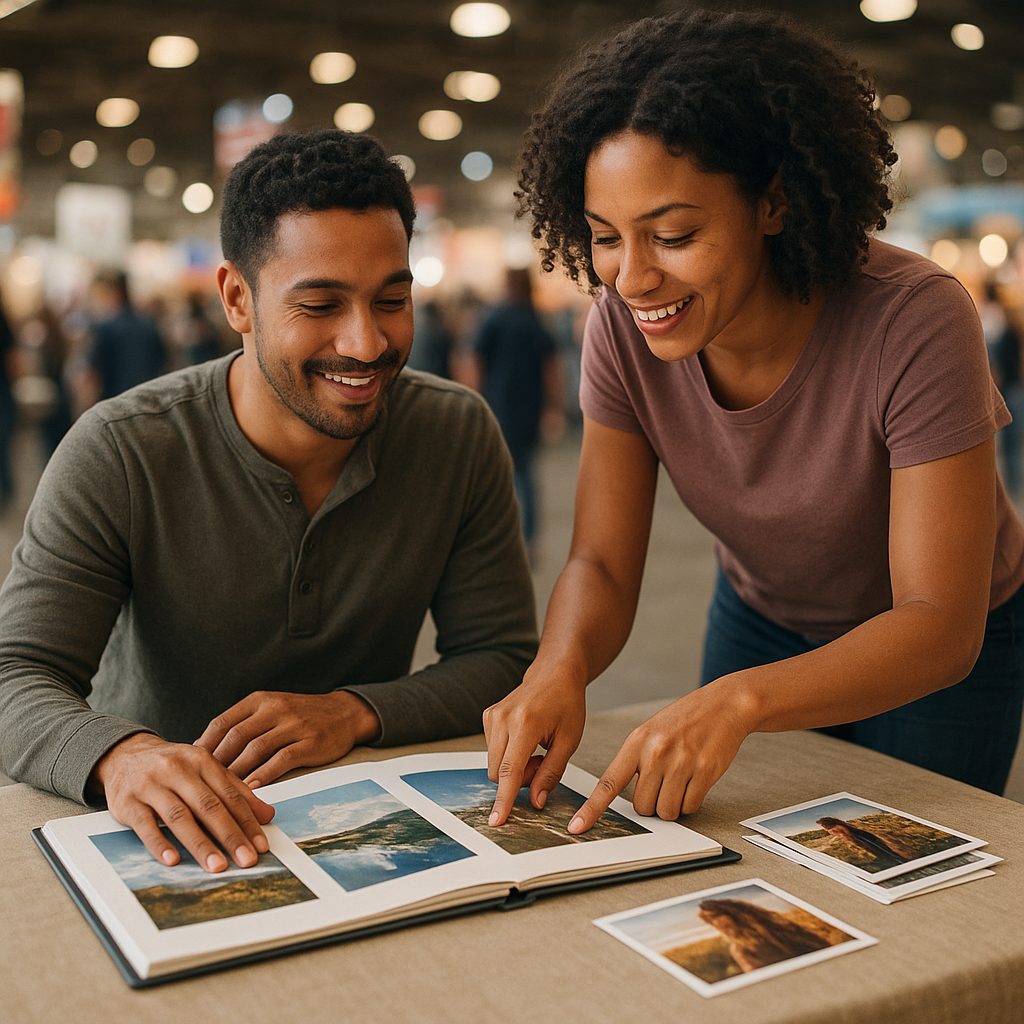
A photography portfolio review is twenty minutes across a table from someone who can change your career — a gallery curator, a picture editor, a festival director — looking at your work while you watch. Most major photo festivals run formal review programmes, and they are among the few places left where serious people look at serious work slowly. They are also routinely wasted by photographers who bring the wrong edit, argue with feedback, or arrive without knowing who is sitting opposite them. The review itself is easy; the preparation is everything. Here is how to do it properly.
What a portfolio review actually is
Strip away the anxiety and a review is a professional consultation: you show a coherent body of work, the reviewer responds from their expertise, and you leave with direction you could not give yourself. Reviews at festivals typically run fifteen to thirty minutes, booked in advance, with reviewers you select. Some lead directly to exhibitions, publications or representation; most lead to something less dramatic and more valuable — a honest map of where your work stands and what it needs next. Go for the map, and let the miracles be a bonus. If you are choosing events, our guide to festival photography culture and the photography exhibition circuit explain the world these reviewers live in.
Editing down to twenty
The first mistake is volume. Reviewers expect fifteen to twenty-five images from one body of work — not your greatest hits across genres, not three projects at once. A review is a conversation about a single argument, and it dies the moment you say "and here's something completely different." Choose the project with the most depth, then edit brutally: every frame must earn its place, and the twentieth image should be as strong as the first, because a weak ending is what gets remembered.
Get help with the edit. You are the worst judge of your own pictures — you remember the effort, the weather, the story, and the reviewer sees only the rectangle. Lay thirty candidates in front of two photographers you respect, watch what they reach for, and listen when they agree on a cut you hate. That cut is usually right.
Sequencing: the order is an argument
Sequence your twenty like a paragraph, not a slideshow. Open with one of your three strongest images — the frame that makes the reviewer lean in — and close with another, because first and last impressions frame everything between. Between them, build rhythm: vary distance and density so consecutive frames do not repeat each other, place quieter images after intense ones, and use pairs and echoes deliberately. Two near-identical frames side by side tells the reviewer you could not choose, which reads as not finished.
Print the sequence physically before the review, even in draft, and live with it on a wall for a week. Order problems invisible on a screen become obvious on paper, and the sequence you arrive with should be one you have already watched a stranger walk through.
Test the edit's honesty with one question per frame: if the reviewer cuts this, does the project get weaker, or just shorter? Anything in the second category goes before you leave home. Arriving with eighteen certain images beats arriving with twenty-five you are ready to defend.
Prints or screen?
Prints, whenever the review format allows. A modest set of well-made prints — consistent size, clean borders, in a simple box or folio — says you take the work seriously and lets the reviewer handle, shuffle and re-see. Tablets are accepted at most reviews and are better than nothing, but screens flatten differences between images and glow past print flaws; if you show digitally, colour-calibrate the device and turn off notifications. Whichever you choose, bring a leave-behind: a small card with three or four images, your name, email and the project title. Reviewers see dozens of portfolios a day; the card is how you survive their evening. Make sure the project title and your contact details are legible at a glance — a card that needs explaining has failed its only job.
Researching your reviewers
Festivals publish reviewer lists weeks ahead, and the hour you spend researching pays better than any other hour of preparation. Match work to reviewer: a documentary project belongs in front of picture editors and documentary festival curators, not a gallerist who shows abstract work. Read what each reviewer has published or exhibited recently so you can open with something better than "so what do you do?" Book a spread — one person who can realistically use the work, one whose judgement you trust, one wild card — and accept that the most useful review is often the one from the reviewer you almost skipped. If your goal includes competitions or shows, our pieces on photography competitions and how photo contests are judged show how selectors think.
The twenty minutes, and after
In the room, present in ninety seconds: one sentence about the project, one about where it stands, then silence — let them look. Do not narrate every frame, do not defend, do not explain what you meant. Write down what they say, especially what stings; the comment you want to argue with is usually the one you paid for. Ask their advice on the next step and, if the work is genuinely near ready, whether showing it elsewhere is realistic. Afterwards, follow up within a week — short, specific, referencing their advice — and then do the work. A second review with the same person a year later, showing visible growth, is the single most career-building move the festival circuit offers. A structured photography workshop between reviews gives that growth somewhere to happen.
Field note. Review slots at major festivals sell out within hours of opening. Set a reminder for the booking date, and book your first-choice reviewer early — preparation begins with a place at the table.