Candid Street Photography: The Art of Being Unnoticed
Photo Culture · 10 November 2026
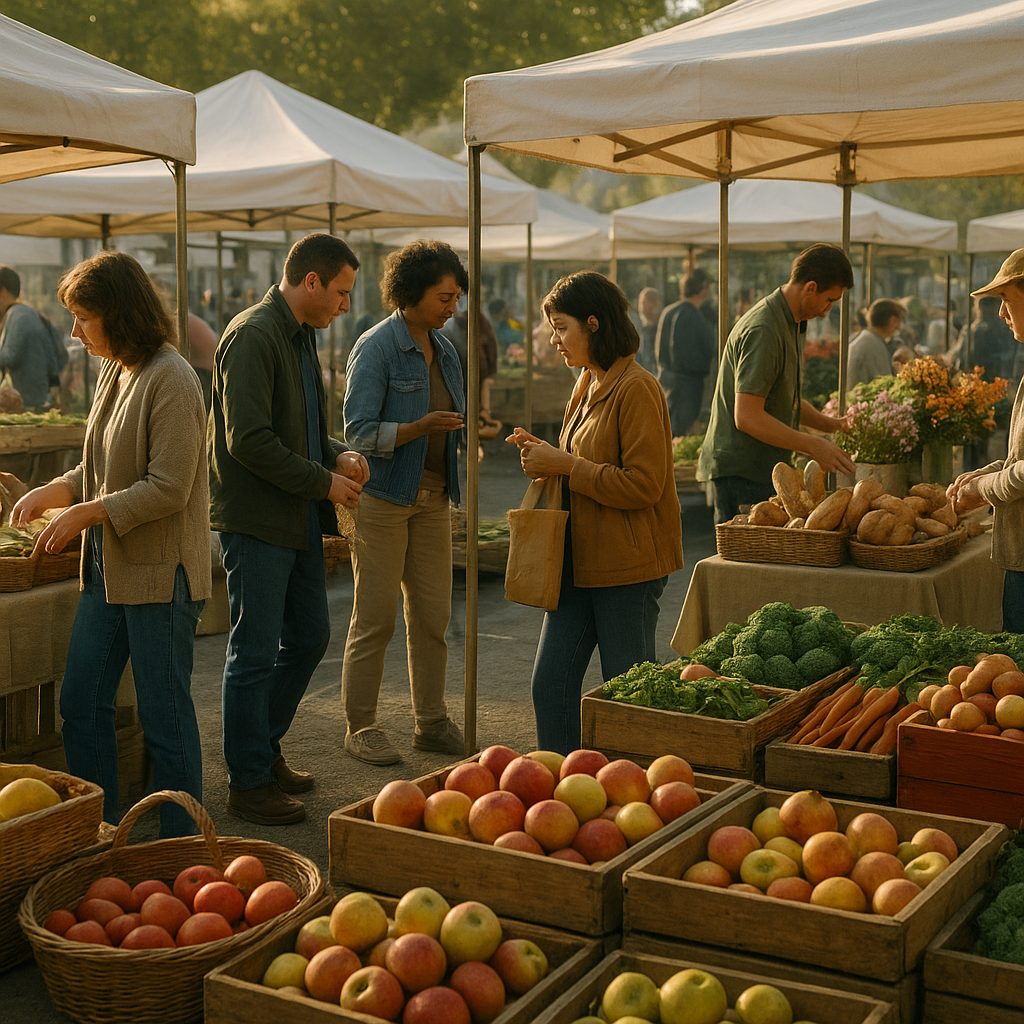
The candid frame is street photography's core promise: life as it actually is, unposed, unaware, unrepeatable. A person who knows the camera is there performs, even subtly; a person who does not simply exists, and that existence — the unguarded gesture, the private expression in a public place — is what candid street photography chases. Getting it without becoming either a nuisance or a ghost requires a specific craft: how you move, where you stand, when you raise the camera, and what you owe the strangers in your frames. Here is how it is honestly done.
What candid really means
Candid does not mean stolen. It means the moment was not directed: you did not ask anyone to pose, repeat a gesture or hold still. The spectrum runs from scenes no one notices — crowds, distant figures — to close frames where the subject might have seen you a second later. Where you work on that spectrum is an artistic and ethical decision, and the best candid photographers have thought about it rather than drifting. The ethical side deserves its own reading; our piece on street photography ethics lays out the principles, and everything below assumes them.
Becoming part of the street
Invisibility is mostly body language, not gear. The street ignores people who look like they belong: unhurried, occupied, going somewhere. It notices hesitation — the raised-and-dropped camera, the sudden stop, the guilty glance. So walk at street pace, camera already in hand rather than in a bag, and when you see a moment, raise the camera in one smooth motion, shoot, and continue walking as if the photograph were an afterthought. It must actually be one: you are a pedestrian who photographs, not a sniper who walks.
Standing still is the other superpower. A person waiting on a corner becomes street furniture within minutes — the same fishing logic as in our street photography tips. Lean on a wall near good light, look at your phone occasionally, and let life resume its normal behaviour around you. Then the camera comes up only when the moment arrives, and nobody connects the quiet person on the corner with the click.
Technique for unposed moments
Candid work punishes slow setups, so everything is decided in advance: aperture priority or manual with auto ISO, shutter floor at 1/250th, f/5.6 or f/8 for depth-of-field forgiveness, and zone focus if your lens allows it. The camera should feel like a point you already know, not a device you negotiate with. Shooting from the hip — framing by feel with a wide lens — is worth practising on quiet streets until your hit rate is honest; it extends your reach into moments where raising a camera would change the scene.
Anticipation beats reaction. The candid moment announces itself a second or two early: the pedestrian about to step into the shaft of light, the gesture building in a conversation, the child winding up to jump the puddle. Train yourself to read these pre-moments and be already framed when they arrive. Shooting a short burst through the peak rather than one frame at it doubles your keepers, because gestures peak between the frames you plan.
A quieter trick is preoccupation: shoot while apparently doing something else. Frame during a phone call, during a sip of coffee, while checking the map at a crossing. The camera raised at the edge of an unrelated action draws a fraction of the attention of a deliberate stance, and your own relaxed body keeps the scene relaxed too.
When you are noticed
You will be noticed, often at the worst moment, and your response defines the encounter. The working formula: lower the camera slowly, meet the eye, smile, and give a small nod — the universal sign for "yes, I took a picture, and it was harmless." Most people nod back and life continues. If someone approaches, be disarmingly direct: show the frame, explain that you photograph street life, offer to delete it. An honest thirty seconds defuses almost everything; defensiveness ignites it. Remember that being noticed is not failure — many fine candid frames include a subject mid-glance at the lens, alive with the instant before performance begins.
The ethics of the unposed frame
Because the subject did not consent in the moment, you owe them judgement afterwards. The working tests are simple and strict. Would the person, seeing this picture, feel respected or exposed? Does the frame show character and humanity, or does it laugh at someone? Is anyone depicted in distress, humiliation or vulnerability they could not choose — and if so, does any public interest genuinely outweigh their dignity? Street photography's licence in public space is a legal floor, not a moral ceiling. Delete freely; the frame you decline to keep is never the one that defines you. And when a candid portrait is strong enough to publish or exhibit, consider the extra step of finding the person and asking — several celebrated street portraits exist because the photographer went back.
Practice that builds the skill
Candid seeing is trained like a muscle. Begin in dense, anonymous environments — markets, stations, festival crowds — where attention on any one person is near zero. Graduate to quieter streets as your body language calms. Review your frames weekly and ask which moments you missed and why; missed moments are the real curriculum. Compare them against the frames you took: often the miss was a second of hesitation, and naming that hesitation is how you remove it. And when the work accumulates, put it in front of other eyes at a critique group or photography workshop — candid photography improves fastest where someone else tells you what your frames actually show.
Field note. Laws on photographing people in public vary sharply by country — from broad freedom in the US and UK to strict personality rights in parts of Europe. Learn the rules of every street you work, especially when travelling.